
Beyond remote control
Really autonomous space explorers
A new space race is underway. The goal is no longer to put a human on the Moon temporarily, but to establish permanent colonies on the Moon or Mars, capable of exploring and exploiting space. Two significant problems persist.
01The challenge
The gap between human and robotic exploration
Human-led missions and robotic missions differ in their ability to handle complex tasks, conduct science, adapt to new environments and make decisions autonomously.
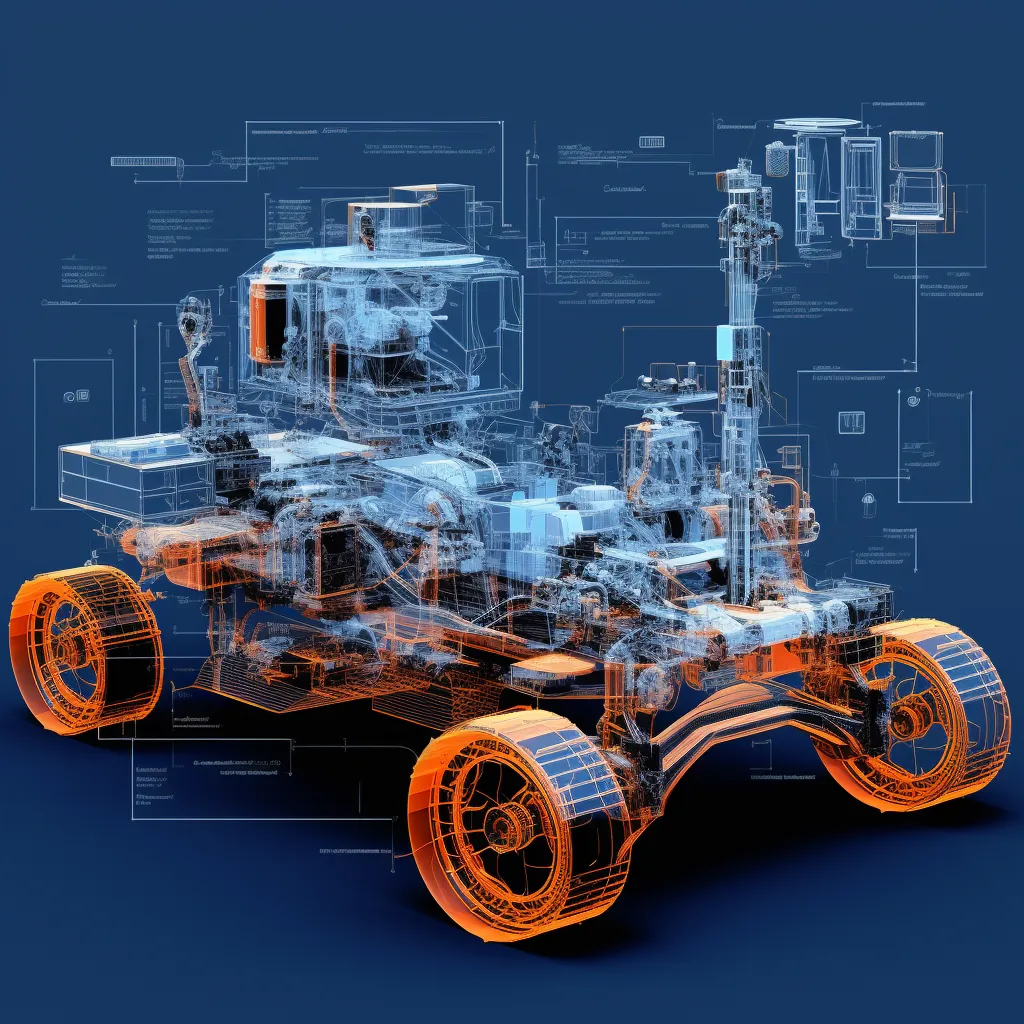
Human space missions
Astronauts bring direct experience, decision-making and adaptability to the unforeseen, but human missions require:
- Extensive planning times.
- Expensive and heavy life-support systems.
- Technically complex safety measures.

Robotic space missions
Unmanned spacecraft, rovers and drones avoid those costs, but:
- They are controlled remotely, with significant communication delays.
- They need extensive planning, lacking real-time problem-solving.
- Missions are risky and sensitive to unexpected challenges.
02What ETR brings
The same architecture, a different interface
AAGI for fully autonomous explorers
Robots with human-like capacities, making real-time decisions from cognitive reasoning, training and experience: exploring for strategic resources and building infrastructure before human arrival.
Built in Europe
We are committed to developing the AAGI needed for EU autonomous exploration missions, and seek collaboration with ESA and European space consortiums.
03Applications
More applications
ETR ships as a software engine integrated into third-party systems, and complements statistical and GenAI components where decisions must remain adaptive, auditable and controllable.
 Available todayETR 0.5 EngineFully traceable and explainable machine learning for decision-critical systems: industry, medicine, finance or justice.Learn more
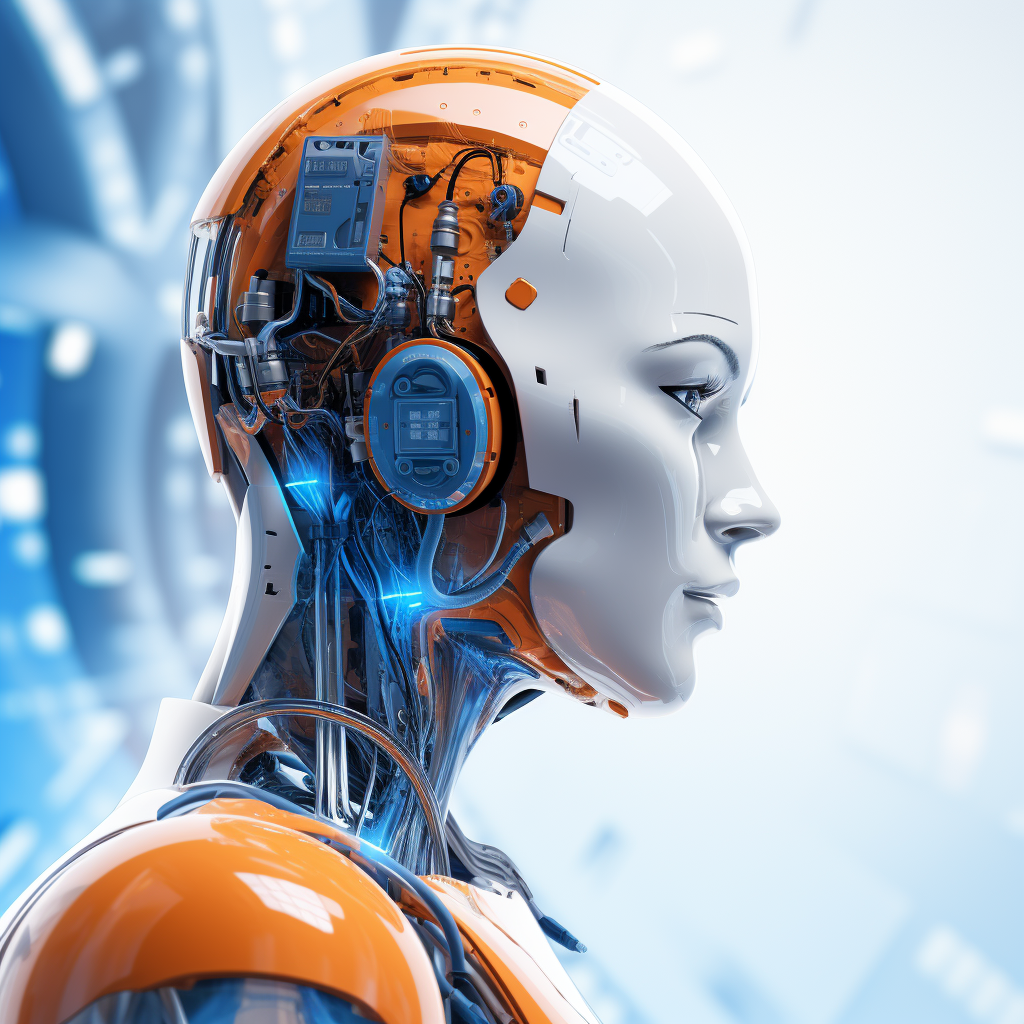 Embodied intelligenceIntelligent roboticsAn operating system that lets robots assist us in tasks that, today, only humans can do.Learn more
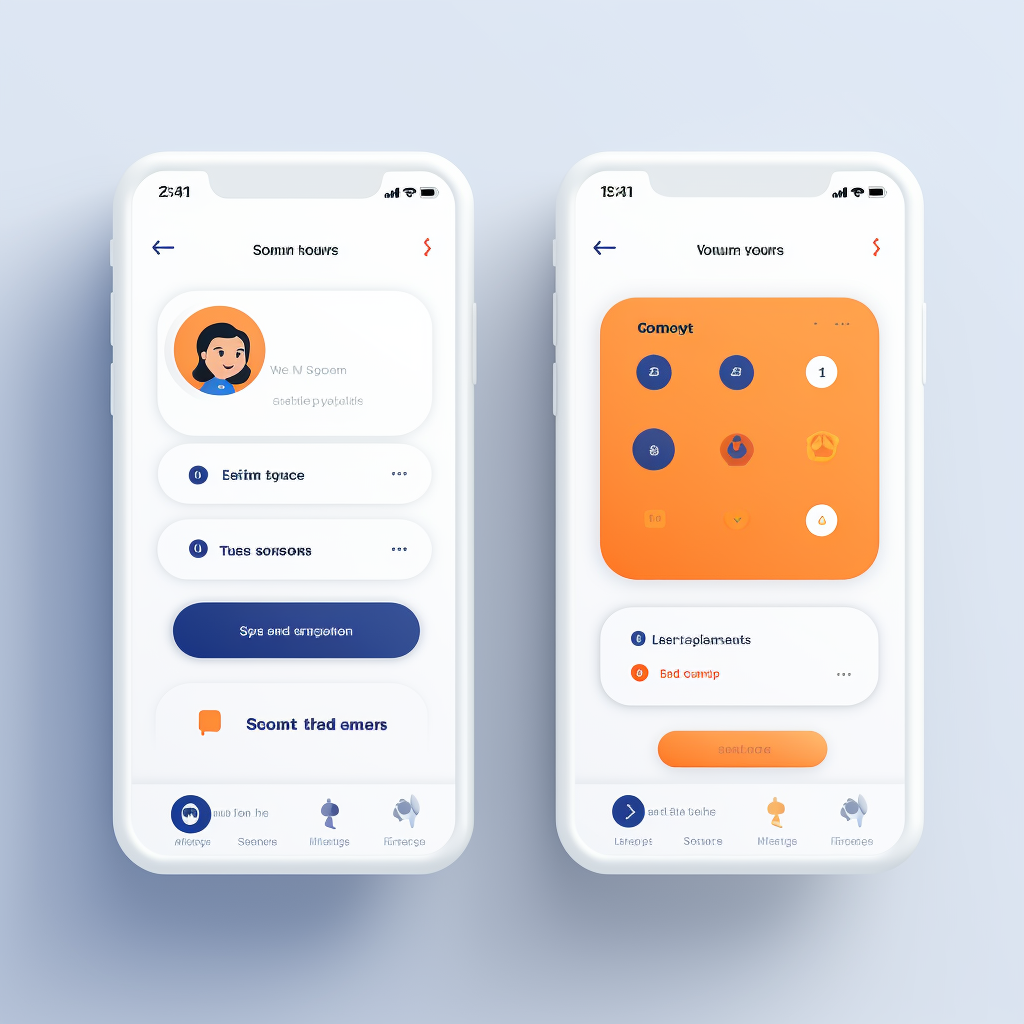 Multidevice intelligencePersonal AAGI assistantA personal intelligence that follows you across devices, learning your goals and context.Learn more
 NPCs that thinkVideogames & virtual worldsAvatars and NPCs with human-like capabilities, running on the player’s device.Learn more
The Mindkind
AGI is the destination.
Traceable adaptive intelligence is the business on the way.
Stay in the know
News, announcements and articles from The Mindkind.
We care about your data: read our privacy policy.