The cycle “Exploring Artificial Intelligence: Innovation in Science, Art, and Society” opened with a lecture by Mario Garcés Romeu, CEO of The MindKind and researcher in neuroscience and artificial intelligence.
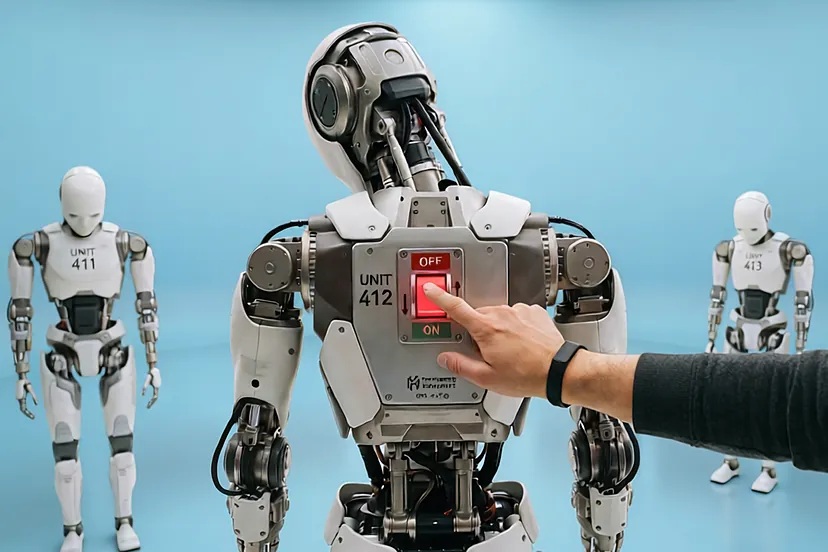
During his talk, Garcés addressed the geopolitical relevance of AI and the urgent need to establish international protocols to prevent an uncontrolled technological race. He clearly explained the difference between generative AI, based on data and stimuli, and general or superintelligent AI, still to be achieved, which aspires to replicate human reasoning capacity.
The speaker identified three major obstacles along this path:
- The complexity of the human brain.
- The technological limitations in recording brain activity in real time.
- The individual diversity that makes every mind unique.
He also shared his team’s progress in designing cognitive architectures with their own motivations and simulated “emotions,” capable of interacting within virtual environments. At the same time, he warned about the current risks of AI, such as hyper-realistic impersonation in video calls or digital scams, comparing the need for regulation to the international management of nuclear weapons.
With a critical yet optimistic outlook, Garcés concluded that humanity will be able to establish the necessary protocols to keep this powerful technology under control—provided we act with responsibility and foresight.
El ciclo “Explorando la Inteligencia Artificial: innovación en ciencia, arte y sociedad” se inauguró con la conferencia de Mario Garcés Romeu, CEO de The MindKind e investigador en neurociencia e inteligencia artificial.
Durante su intervención, Garcés abordó la relevancia geopolítica de la IA y la urgencia de establecer protocolos internacionales para evitar una carrera tecnológica descontrolada. Explicó de manera clara la diferencia entre la IA generativa, basada en datos y estímulos, y la IA general o superinteligencia, aún por alcanzar, que aspira a reproducir la capacidad de razonamiento humano.
El ponente identificó tres grandes obstáculos en este camino:
- La complejidad del cerebro humano.
- Las limitaciones tecnológicas para registrar su actividad en tiempo real.
- La diversidad individual que hace única cada mente.
Asimismo, compartió los avances de su equipo en el diseño de arquitecturas cognitivas con motivaciones propias y “emociones” simuladas, capaces de interactuar en entornos virtuales. También advirtió sobre los riesgos actuales de la IA, como la suplantación hiperrealista en videollamadas o las estafas digitales, comparando la necesidad de regulación con la gestión internacional de armas nucleares.
Con una visión crítica pero optimista, Garcés concluyó que la humanidad podrá establecer los protocolos necesarios para mantener bajo control esta poderosa tecnología, siempre que se actúe con responsabilidad y visión de futuro.